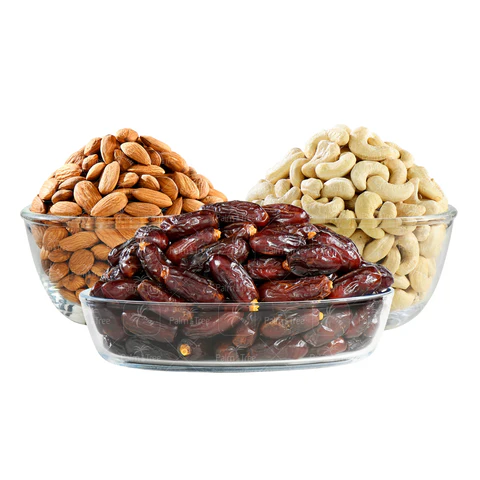
Importing dates and nuts can be a profitable venture, especially when you’re dealing with premium Middle Eastern varieties like Sukkari dates and pistachios. However, it’s not as simple as placing an order and having the products delivered. The process requires careful planning, adherence to regulations, and an understanding of the quality standards of these products. In this guide, we’ll go over things to consider before importing dates and nuts, ensuring that you make informed decisions and set yourself up for success.
1. Understand the Market and Your Suppliers
Before diving into the import process, it’s crucial to do your research on the market demand for dates and nuts in your region. Are they popular in your local grocery stores or online markets? Understanding the consumer base and demand will help you make better decisions on which varieties to import.
Dates are popular in the Middle East, but varieties like Sukkari, Medjool, and Ajwa each have specific consumers and culinary uses. Nuts, like almonds, cashews, and pistachios, also have varied demand depending on your region.
Another important factor is the supplier you choose. It’s essential to work with a trusted supplier that follows quality control standards and provides proper certification. Altareb Global, for example, is a reliable supplier of premium dates and nuts, ensuring the highest quality products sourced from trusted farms in the Middle East. If you’re interested, you can learn more about their products and services through the Altareb Global shop here: Altareb Global Shop.
2. Quality Control and Certifications
When importing products like dates and nuts, quality control is a major consideration. You need to ensure that the products you’re importing are of high quality and safe for consumption. Look for suppliers who provide certification of quality and food safety standards. For example, certifications such as ISO, HACCP, and Organic certification can offer reassurance that the dates and nuts you’re importing have passed the necessary safety checks.
You should also request sample shipments before committing to large orders. This will allow you to assess the quality firsthand and check for freshness, taste, and overall appearance of the products.
If you’re working with dates, it’s important to evaluate whether they have been processed or are raw. Processing methods can impact the taste, shelf life, and overall appeal of the product. At Altareb Global, for example, they provide premium, fresh dates that meet the highest standards of taste and texture.

3. Understand Import Regulations and Customs
Importing food products involves navigating complex customs regulations. Each country has its own set of import laws that control food products, including dates and nuts. It’s essential to understand these regulations, including:
- Import tariffs and taxes
- Customs documentation (e.g., certificates of origin, health certificates)
- Import restrictions on certain products (such as banned pesticides or allergens)
Make sure to work with a customs broker who can help you navigate this complex process and avoid any unexpected delays or fines. They will help you ensure that your dates and nuts comply with all import and export regulations.
4. Shipping and Logistics
Shipping and logistics play a critical role in the import process. Depending on where you’re importing from, dates and nuts may need to travel long distances before reaching your warehouse. The shipping method you choose, whether air, sea, or land freight, will affect costs, delivery time, and the overall freshness of the product.
For example, Sukkari dates have a shorter shelf life if not stored correctly, so it’s essential to ensure the shipping method used preserves their freshness. Ideally, your supplier should offer reliable packaging and shipping methods, using temperature-controlled containers to keep the dates and nuts fresh during transit.
If you’re importing on a large scale, consider working with a third-party logistics (3PL) provider who can handle warehousing and distribution for you. This will help you streamline the process and ensure that your inventory is managed efficiently.
A trusted source for nutritional information – Healthline
5. Pricing and Profit Margins
One of the most crucial aspects to consider before importing dates and nuts is pricing. Calculate all the costs involved in the import process, including the product’s purchase price, shipping costs, customs duties, and any middleman fees. Once you have these figures, you can calculate the profit margin on the product once it’s in your store or warehouse.
To remain competitive, it’s vital to price your products properly while ensuring you maintain a healthy profit margin. This is where understanding your market’s demand comes in pricing too high may limit sales, while pricing too low can leave you with little to no profit.
Also, consider the quality vs. cost trade-off. While cheaper products may save you money upfront, they might be less appealing to consumers who prioritize quality over price. Therefore, investing in high-quality products like premium dates and nuts often provides long-term benefits in terms of customer loyalty and repeat business.
6. Building Strong Relationships with Retailers or Distributors
Once your dates and nuts have arrived, the next step is finding retailers or distributors who can help you sell them. Whether you’re selling directly to consumers or through stores, building relationships with retailers can help boost your sales and market visibility.
Consider attending trade shows and food expos to meet potential buyers and build connections within the industry. Additionally, many suppliers, such as Altareb Global, provide wholesale programs for businesses looking to purchase in bulk.
If you’re focusing on online sales, ensure your website is optimized for both SEO and user experience to help customers find your products easily. You can also partner with e-commerce platforms to sell your products directly to consumers and expand your market reach.
7. Understanding Storage and Shelf Life
Dates and nuts are sensitive to storage conditions, and improper storage can lead to loss of quality and even spoilage. Dates, in particular, are highly perishable if not stored in optimal conditions. Make sure to keep them in a cool, dry place away from sunlight and heat sources. Some varieties, like Sukkari dates, may even require refrigeration to maintain their texture and freshness over time.
For nuts, proper packaging is important to avoid oxidation and maintain freshness. Air-tight, vacuum-sealed packaging is recommended, especially for products like pistachios and cashews, to extend their shelf life.
Frequently Asked Questions (FAQs)
1. What are the key factors to consider before importing dates and nuts?
Before importing dates and nuts, consider the market demand, supplier quality, import regulations, and logistics (shipping and storage conditions). Proper understanding of customs documentation, pricing, and the freshness of the products is essential for a smooth importing process.
2. How do I ensure the quality of dates and nuts before importing?
Request certifications from your supplier (such as ISO or HACCP), and always evaluate sample shipments to check quality. For premium dates, like Sukkari dates, you should also check for texture, taste, and appearance to make sure they meet your standards.
3. Are there specific import regulations for dates and nuts?
Yes, each country has its own customs regulations for food imports. It’s important to understand the import tariffs, taxes, and any restrictions on food products, including health certificates and pesticide regulations. Working with a customs broker can ensure compliance.
4. What are the best shipping methods for dates and nuts?
Shipping dates and nuts, especially fresh varieties like Sukkari dates, requires careful consideration of shipping time and storage conditions. Ideally, use temperature-controlled shipping to preserve product freshness. Air freight may be faster but more expensive than sea freight.
5. How long do dates and nuts last once imported?
Dates and nuts have varying shelf lives based on storage conditions. For example, Sukkari dates should be stored in cool, dry places and may require refrigeration. Nuts, like pistachios and almonds, should be kept in airtight containers to prevent oxidation and preserve freshness.
6. Can I import dates and nuts for my business?
Yes, if you plan to sell to retailers or consumers, you can import dates and nuts. Consider partnering with a trusted wholesaler such as Altareb Global, who specializes in high-quality dates and nuts for businesses. Visit their wholesale partner program to get started: Altareb Global Wholesale Partner Program.
Want More Information on Importing Dates and Nuts?
If you’re looking for more details or need assistance with starting your import journey, feel free to reach out to Altareb Global. Check out their detailed process and offerings on their About Us
Conclusion
Importing dates and nuts is an exciting opportunity but requires a thorough understanding of various factors that affect the process. Whether you’re looking for premium Sukkari dates or pistachios, you need to consider market demand, quality control, import regulations, shipping logistics, and proper storage conditions. By following the guidelines in this article, you’ll be better prepared to successfully import and sell dates and nuts to your customers.
If you’re considering becoming a wholesale partner, you can learn more about how to get started with Altareb Global and explore their premium offerings here.
For more on the quality and sourcing process, take a closer look at the Altareb Global About Us