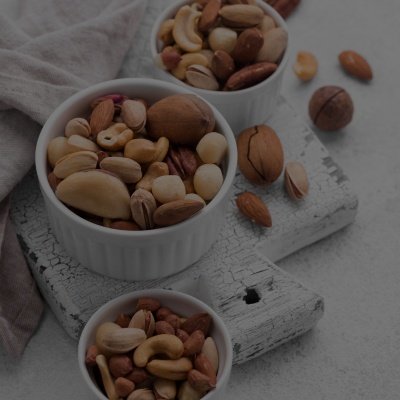
Premium nuts, such as almonds, pistachios, and cashews, are a staple in many households worldwide. Known for their versatility and health benefits, they are consumed as snacks, used in cooking, and even included in health-conscious diets. But have you ever wondered how these premium nuts reach your kitchen? How are they sourced, processed, and packaged to maintain their high quality?
In this article, we’ll walk you through the entire process of how premium nuts are sourced and processed, from the farms where they are grown to the packaging you see on store shelves. Understanding this process not only enhances your appreciation for these delicious and nutritious nuts but also helps you make informed decisions when choosing products for retail, wholesale, or personal consumption.
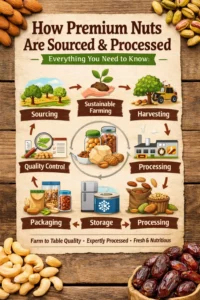
1. Where Are Premium Nuts Sourced?
Premium nuts are primarily grown in specific regions around the world, with climate and soil playing crucial roles in their quality. Here’s a look at where the most popular nuts come from:
Almonds: Grown primarily in California (USA), Spain, and Italy, almonds thrive in regions with hot, dry climates and plenty of sunshine.
Pistachios: These are mostly sourced from California, Iran, and Turkey, where the growing conditions are perfect for pistachio trees long, hot summers and dry winters.
Cashews: Grown in tropical climates, cashew trees thrive in Vietnam, India, and Brazil, where conditions are ideal for nut production.
When sourcing premium nuts, farmers aim for the highest quality by choosing varieties that are well-suited to the local environment and climate. You can explore a wide range of premium dates and nuts at Altareb Global Shop.
2. The Role of Sustainable Farming Practices
Sustainability has become a top priority for farmers and suppliers of premium nuts. In recent years, there’s been a growing emphasis on using eco-friendly farming practices to reduce the environmental impact of agriculture. Key practices include:
Water conservation: Nuts like almonds require large amounts of water, so sustainable farming practices ensure that water is used efficiently, such as through drip irrigation systems.
Organic farming: Many premium nut farms avoid synthetic fertilizers and pesticides to preserve soil health and produce chemical-free products.
Biodiversity preservation: By supporting local ecosystems, nut farms encourage biodiversity, reduce pesticide use, and promote soil health.
When you buy premium nuts like those from Altareb Global, you’re supporting farms that prioritize sustainable farming and the environment, ensuring that both the product and its impact are top-notch. Learn more about Altareb Global’s commitment to quality and sustainability on their About Us page.
3. Harvesting Premium Nuts
The harvest process for premium nuts is as important as the growing stage. Depending on the type of nut, the harvesting process can vary:
Almonds: Almond trees are typically harvested when the nuts naturally fall from the tree, and the shells start to crack open. This process, called mechanical harvesting, is followed by a period of drying to remove excess moisture.
Pistachios: These nuts are harvested when the shells open naturally. Pistachio trees are usually shaken to release the nuts, and they’re then collected.
Cashews: Unlike other nuts, cashews are harvested from the cashew apple. After the cashew nut is removed from the apple, the nuts are left to cool, cracked open, and cleaned.
The timing of the harvest is critical to ensure that the nuts retain their natural taste, texture, and nutritional value.
4. Processing Premium Nuts: From Raw to Ready
After harvesting, premium nuts go through several processing stages before reaching consumers. The processing involves cleaning, cracking, roasting, and packaging the nuts to ensure that they are of the highest quality.
Shelling and Cracking
Almonds: Once harvested, almonds are sent to processing facilities where the hard outer shell is removed. This process, known as shelling, separates the edible part of the nut.
Pistachios: After harvesting, pistachios are cracked open using mechanical methods, ensuring that the nut remains intact.
Cashews: The cashew nut is carefully removed from the cashew apple. The shell, which contains a toxic oil, is cracked open and the nut is then cleaned.
Cleaning and Sorting
After cracking, the nuts are cleaned to remove debris and dust. They are then sorted according to size and quality. This step ensures that only the highest-quality nuts move forward to the roasting or packaging stages.
Drying and Roasting
Nuts may be dried or roasted to improve flavor and texture:
Roasting: This process enhances the flavor of the nuts. For instance, roasted pistachios have a more intense, nutty flavor than their raw counterparts.
Drying: Common for nuts like almonds, drying helps to reduce moisture content and prolong shelf life.
Some nuts, like almonds, are sometimes roasted in oil, while others are dry-roasted to maintain a healthier profile.
5. Packaging Premium Nuts
Packaging plays an essential role in preserving the freshness and quality of premium nuts. High-quality packaging protects the nuts from air, moisture, and light, all of which can degrade their quality. Packaging options include:
Vacuum-sealed bags that prevent air exposure
Glass jars or plastic containers that maintain freshness for retail
Bulk packaging for wholesale buyers
Nuts that are packaged correctly will stay fresh for a longer period, keeping their flavor and texture intact.
For more information on the health benefits of nuts, visit Healthline’s articles.
6. Storage: Maintaining Freshness and Flavor
After processing and packaging, proper storage is essential to maintain the quality and freshness of nuts. Ideally, nuts should be stored in:
Cool, dry places to prevent mold and spoilage
Air-tight containers to prevent exposure to moisture and air
Refrigeration for oil-rich nuts like cashews to extend shelf life
By following these practices, you ensure that nuts stay fresh and retain their premium quality from the moment they are harvested to the point they reach the consumer.
7. Ensuring Quality: Testing and Compliance
Premium nuts undergo rigorous quality control measures to ensure they meet safety and flavor standards. These measures may include:
Microbial testing to check for contamination
Flavor and texture checks to ensure the nuts meet specific standards
Nutritional analysis to confirm the product’s health benefits
All of these processes are aimed at delivering the highest-quality product to the consumer.
Frequently Asked Questions (FAQs)
1. How are premium nuts sourced?
Premium nuts are primarily sourced from regions with ideal growing conditions. For example, almonds are often grown in California, pistachios in Iran and California, and cashews in tropical climates like India and Vietnam. These regions provide the perfect climate for growing high-quality nuts.
2. What sustainable farming practices are used in nut production?
Sustainable practices include water conservation, organic farming, and biodiversity preservation. Premium nut farms focus on minimizing environmental impact by using efficient irrigation systems and avoiding harmful chemicals, ensuring both high-quality and eco-friendly products.
3. How are premium nuts processed after harvest?
After harvest, premium nuts undergo several steps, including shelling, cleaning, sorting, drying, and roasting. These processes help enhance the flavor and texture of the nuts while maintaining their nutritional quality. Each nut type undergoes specific processing to ensure optimal taste and freshness.
4. What quality control measures are taken for premium nuts?
Premium nuts are subject to rigorous quality control checks. These include microbial testing to ensure safety, flavor and texture analysis, and nutritional testing to confirm the health benefits of the nuts. Only those that meet the highest standards are packed and shipped.
5. What packaging is used for premium nuts?
Premium nuts are packaged in vacuum-sealed bags, glass jars, or airtight containers to maintain freshness. Packaging is critical to preserving the flavor, texture, and nutritional value of the nuts throughout their shelf life.
6. How should I store premium nuts?
To maintain freshness, premium nuts should be stored in cool, dry places. For nuts like cashews, refrigeration may be required due to their higher oil content. Airtight containers are essential for preventing exposure to moisture and air, which can lead to spoilage.
7. Where can I buy premium nuts wholesale?
If you’re looking to buy premium nuts in bulk or wholesale, Altareb Global offers a wide range of premium dates, pistachios, and almonds. You can explore our offerings and become a wholesale partner through the Wholesale Partner Program.
8. Are nuts like almonds, pistachios, and cashews good for health?
Yes, premium nuts are packed with healthy fats, fiber, vitamins, and minerals. They are excellent for heart health, support weight management, and provide antioxidants. Adding nuts like pistachios and almonds to your diet can improve overall health and provide sustained energy throughout the day.
Want to Learn More?
If you’re interested in learning more about premium nuts or would like to explore wholesale options for Sukkari dates, pistachios, almonds, and other top-quality products, visit the Altareb Global Shop or check out the About Us page for more details.
Conclusion
The process of sourcing and processing premium nuts is a meticulous one, involving careful attention to quality at every step from farming to packaging. For businesses that are interested in importing dates and nuts, understanding these processes is essential to ensuring that you are offering the highest-quality products to your customers.
If you’re considering wholesale purchases of premium nuts like Sukkari dates, pistachios, and almonds, Altareb Global offers a wide range of premium products, ensuring you receive only the best in terms of taste, quality, and freshness. Explore Altareb Global’s premium offerings and learn more about the sourcing process by visiting our shop.