Table of Contents
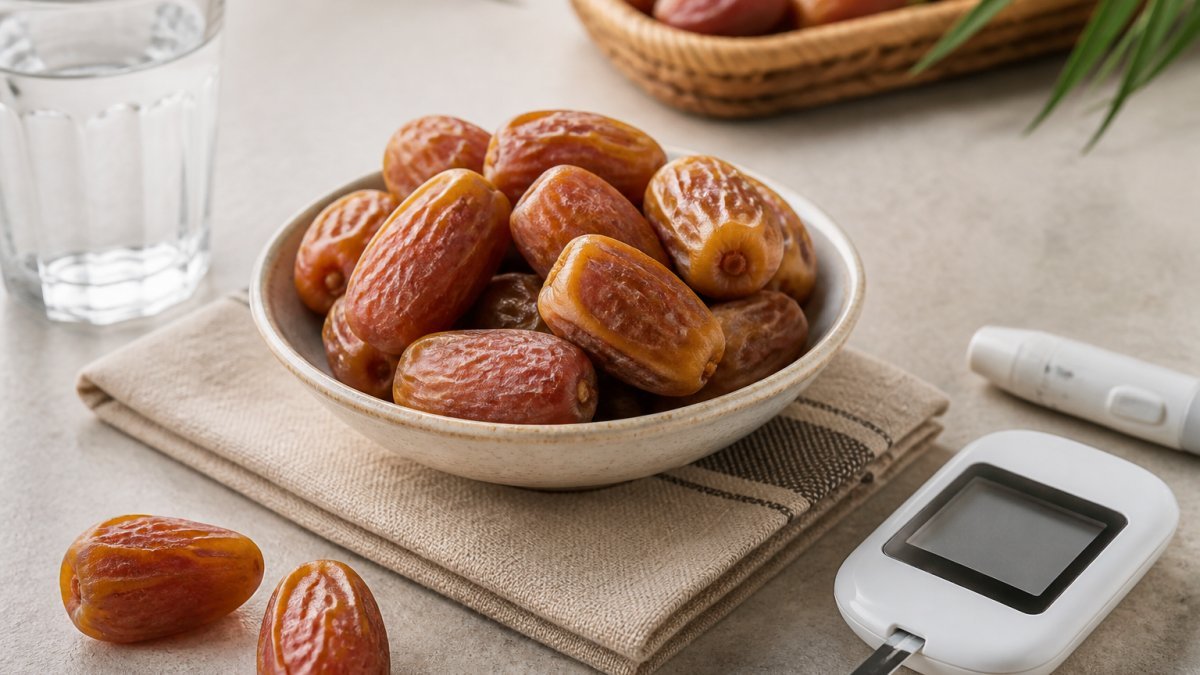
- What Is the Glycemic Index of Sukkari Dates?
- Sukkari Dates Nutrition Facts: What You’re Actually Eating
- Sukkari Dates and Diabetes: What the Research Shows
- How Many Sukkari Dates Per Day Is Safe?
- Sukkari Dates vs Ajwa Dates: Which Should You Choose?
- Storage and Preservation: Keeping Nutrients Intact
- Contraindications and Who Should Limit Sukkari Dates
- Frequently Asked Questions
Last Updated: October 8, 2026
What Is the Glycemic Index of Sukkari Dates?
The glycemic index (GI) measures how quickly a food raises blood sugar levels after consumption. Sukkari dates fall into the medium-to-high GI category, typically ranging from 35 to 55 depending on ripeness and preparation. This makes them notably different from refined sugars but still significant for anyone monitoring blood glucose response.
Understanding where sukkari dates sit on the glycemic index matters because it shapes how your body processes their natural sugars. Unlike white sugar, which spikes blood glucose rapidly, the GI of sukkari dates reflects their fiber content and the type of carbohydrates they contain. The softer, riper a sukkari date becomes, the higher its GI tends to be, a critical detail most guides overlook.
Understanding Glycemic Index and Blood Sugar Response
Glycemic index is a numerical ranking system (0-100) that measures the rate at which carbohydrates in food are digested and absorbed into the bloodstream. Pure glucose is the reference point at 100.
The sukkari dates glycemic index sits in that middle zone, which means they cause a moderate, not dramatic, rise in blood sugar. This differs significantly from table sugar (GI of 65) and honey (GI of 58).
What makes this practical: pairing sukkari dates with protein or fat further lowers their glycemic response. A sukkari date with almonds, for example, will raise your blood sugar more gradually than the date alone. This is why context matters more than the number itself.
How Sukkari Dates Compare to Other Sweeteners
When stacked against alternatives, sukkari dates occupy interesting middle ground. Refined white sugar hits your system faster (GI 65), while agave nectar (GI 17) causes minimal blood sugar disruption.
The real distinction isn’t just the GI number, it’s the nutrient density. A tablespoon of honey delivers sweetness with minimal micronutrients.
This is where Altareb Global’s approach matters. By partnering directly with trusted farmers and manufacturers, the company ensures that every product maintains its integrity and traditional roots.
Sukkari Dates Nutrition Facts: What You’re Actually Eating
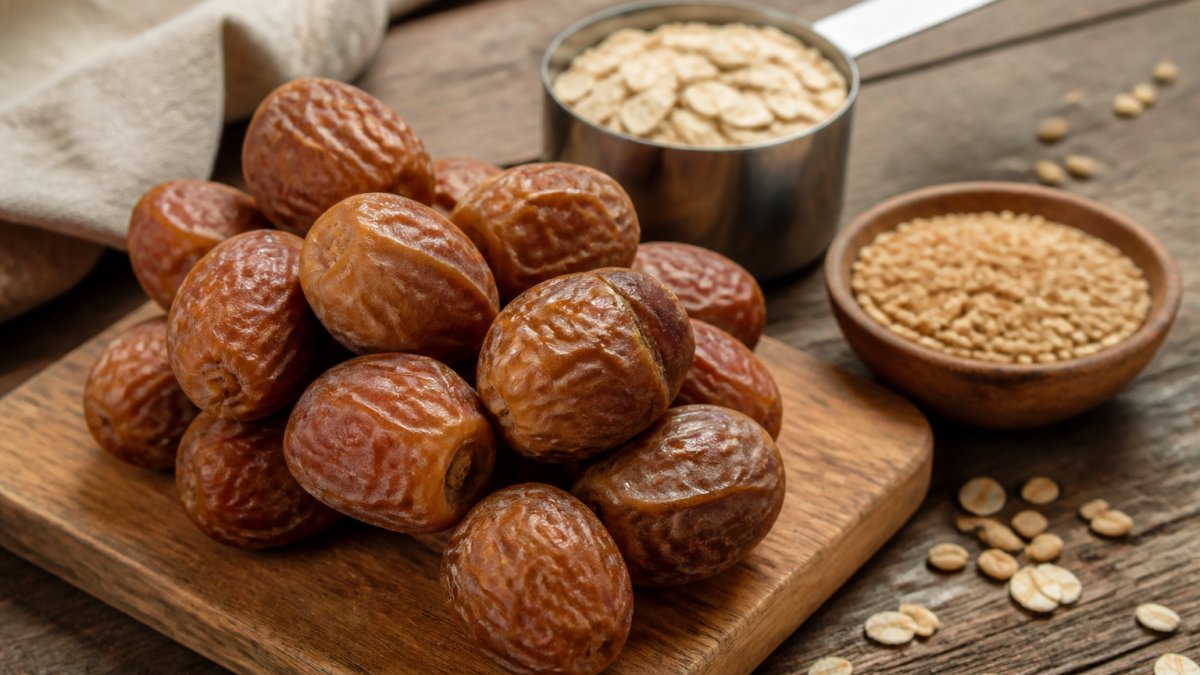
One sukkari date (roughly 7-8 grams) contains approximately 20 calories and 5 grams of carbohydrates. But the headline number misses what makes sukkari dates nutritionally interesting: the micronutrient density packed into that small package.
Micronutrients That Matter
Sukkari dates deliver potassium at levels competitive with bananas, roughly 656 milligrams per 100 grams. Potassium supports cardiovascular function and electrolyte balance, critical for post-workout recovery and sustained energy. Magnesium content hovers around 36 milligrams per 100 grams, supporting muscle function and metabolic health.
The calcium in sukkari dates (64 milligrams per 100 grams) contributes to bone density over time, particularly relevant for women approaching or past menopause. Iron content (0.9 milligrams per 100 grams) makes sukkari dates a plant-based option for those managing anemia or seeking dietary iron sources.
Vitamin B6 appears in meaningful amounts (0.1 milligrams per 100 grams), supporting brain function and neurotransmitter production. These aren’t trace amounts, they’re actual nutritional contributions that accumulate across consistent consumption.
Fiber Content and Digestive Benefits
Dietary fiber in sukkari dates ranges from 7-8 grams per 100 grams, making them one of the higher-fiber dried fruits. This fiber serves multiple functions: it slows glucose absorption (lowering the glycemic response), promotes digestive regularity, and feeds beneficial gut bacteria.
The fiber composition matters. Sukkari dates contain both soluble fiber (which dissolves in water and feeds beneficial bacteria) and insoluble fiber (which promotes digestive movement).
For digestive health, this means sukkari dates can improve satiety and support regularity without the inflammatory response some experience with processed foods. The whole-food nature means you’re getting fiber alongside the carbohydrates, not fiber added to stripped-down sugar.
Sukkari Dates and Diabetes: What the Research Shows
Managing the sukkari dates glycemic index becomes essential for people with diabetes or prediabetes. The key insight: sukkari dates are not forbidden, but they require intentional pairing and portion control.
Glycemic Response in People With Diabetes
For individuals with type 2 diabetes, the sukkari dates glycemic index of 35-55 presents a moderate challenge. A single date won’t cause the dramatic spike that refined sugar would, but consuming multiple dates without offsetting factors will move blood glucose upward.
The practical takeaway: one to two sukkari dates paired with protein or fat (like nuts or nut butter) produces a manageable glycemic response. Research consistently shows that combining carbohydrates with protein and fat slows glucose absorption and reduces insulin demand.
This is where many people get it wrong. They avoid dates entirely, missing the opportunity to enjoy a nutrient-dense whole food in moderation.
Pairing Dates With Protein and Fat to Lower Blood Sugar Impact
The mechanism is straightforward: protein and fat slow gastric emptying, meaning carbohydrates from the date move into the bloodstream more gradually. A sukkari date with a handful of almonds (protein and fat) produces a lower, slower glucose rise than the date alone.
Practical pairing examples: sukkari date with tahini, sukkari date with walnuts, sukkari date with cheese, sukkari date with natural almond butter. Each combination delivers the sweetness and micronutrients while moderating the blood sugar impact.
The timing also matters. Consuming sukkari dates after physical activity, when muscles are primed to absorb glucose without insulin resistance, reduces the glycemic impact further.
How Many Sukkari Dates Per Day Is Safe?
The answer depends on your health goals, activity level, and overall carbohydrate intake. There’s no universal “safe” number, but practical guidelines exist.
Daily Intake Guidelines for Different Health Goals
For general health maintenance, two to three sukkari dates per day fits comfortably within most diets. This delivers roughly 10-15 grams of carbohydrates plus meaningful micronutrients without creating glycemic stress.
For people managing diabetes or prediabetes, one to two dates per day works better, paired with protein and fat. The pairing strategy matters more than the absolute quantity.
For athletes or very active individuals, sukkari dates become a legitimate energy source. Four to five dates post-workout, paired with protein, supports glycogen replenishment and recovery. The carbohydrate load is appropriate when muscle glucose uptake is elevated.
For weight management, sukkari dates present a calorie-density trade-off. They’re nutrient-rich but also carbohydrate-concentrated.
Portion Control and Weight Management
One practical approach: treat sukkari dates as a condiment or flavor component rather than a snack. A single date chopped into oatmeal adds sweetness and micronutrients without excess carbohydrates. A date in a salad or grain bowl provides texture and nutrition in controlled quantity.
Storage and freshness affect satiety. Fresher dates maintain structural integrity, they feel substantial and satisfying. Dates that have been in storage for months become mealy and less satisfying, making it easier to overconsume without feeling full.
The psychological dimension also matters. When you know your dates are high-quality, authentic sukkari dates, the experience of eating one is more deliberate and satisfying. This naturally moderates consumption.
Sukkari Dates vs Ajwa Dates: Which Should You Choose?
These two varieties occupy different nutritional and culinary niches. Understanding the distinction helps you choose based on your actual needs.
Nutritional Differences and Health Benefits
Ajwa dates contain slightly higher polyphenol content (antioxidants linked to cardiovascular support and reduced inflammation) compared to sukkari dates. Ajwa also tends toward lower GI (around 35-40) due to slightly higher fiber density.
Sukkari dates deliver higher calcium content and a more pronounced alkaline mineral profile (potassium, magnesium) that supports electrolyte balance. The sukkari dates glycemic index sits slightly higher, but the nutrient density is comparable, just different in emphasis.
For bone health and mineral balance, sukkari dates edge ahead. For antioxidant load and cardiovascular support, ajwa dates have a marginal advantage. The difference is modest enough that personal preference and taste should guide your choice.
Taste, Texture, and Culinary Uses
Sukkari dates are softer, creamier, and sweeter, they’re the indulgence choice. They work beautifully as a standalone snack or paired with nuts. The soft texture makes them ideal for stuffing or blending into energy balls.
Ajwa dates are firmer, slightly less sweet, and have a more complex flavor profile. They’re better for cooking applications where you need the date to hold structure, chopped into grain bowls, added to tagines, or used in savory-sweet preparations.
If you’re sourcing from Altareb Global, both varieties are handpicked and curated. The choice comes down to your taste preference and how you plan to use them. Sukkari for immediate satisfaction and straightforward nutrition; ajwa for culinary versatility and antioxidant focus.
Storage and Preservation: Keeping Nutrients Intact
How you store sukkari dates directly affects their glycemic index and nutrient content. This is the detail almost no one discusses.
Best Practices for Long-Term Storage
Sukkari dates stay fresh longest in cool, dry conditions, ideally between 50-65°F with humidity below 50%. Room temperature storage works for short-term (2-3 weeks), but quality degrades rapidly beyond that.
Refrigeration extends shelf life to 3-4 months. Freezing preserves them for 6-12 months with minimal nutrient loss. The key is airtight containers that prevent moisture loss and oxidation.
Avoid direct sunlight and temperature fluctuations. Light exposure degrades polyphenols and other antioxidants. Temperature swings cause condensation inside storage containers, promoting mold and nutrient breakdown.
How Storage Affects Glycemic Index and Nutrient Content
This is where it gets interesting: as sukkari dates age in storage, their fiber structure can break down slightly, potentially raising the effective glycemic index marginally. Dates stored in poor conditions lose micronutrient density, potassium and magnesium levels decline, polyphenols oxidize.
Fresh sukkari dates, stored properly, maintain their full micronutrient profile and glycemic characteristics. Dates that have been in storage for months or years at ambient temperature will have lower nutrient density and potentially higher effective GI.
This is why sourcing matters. Direct partnerships with farmers and careful storage ensure you’re getting dates at nutritional peak, not a product that’s been sitting in a warehouse losing value.
Contraindications and Who Should Limit Sukkari Dates
Despite their nutritional profile, sukkari dates aren’t appropriate for everyone in unlimited quantity.
Individuals with severe fructose intolerance should limit sukkari dates. While the fiber helps, the fructose content is still meaningful.
People taking certain medications (particularly those affecting potassium levels or blood glucose) should consult their healthcare provider.
For those managing candida overgrowth or strict ketogenic protocols, sukkari dates are incompatible due to carbohydrate content. The natural sugars feed yeast and break ketosis.
Individuals with dental work (braces, implants, recent extractions) may find the sticky texture problematic. The dates can adhere to brackets or stress healing tissues.
The sukkari dates glycemic index tells part of the story, but context determines whether they fit your nutrition.
Frequently Asked Questions
What is the glycemic index of Sukkari dates?
Sukkari dates have a moderate to high glycemic index, typically ranging from 35 to 55 depending on ripeness and processing. This means they cause a moderate rise in blood sugar. The exact value depends on factors like moisture content and storage conditions. Pairing them with protein, healthy fats, or fiber-rich foods can significantly reduce their glycemic impact on your body.
Are Sukkari dates suitable for people with diabetes?
Sukkari dates can be consumed by people with diabetes in controlled portions, typically 1-2 dates per day. Their natural sugars and glycemic index mean they require careful portion control and should ideally be paired with protein or fat to slow blood sugar absorption. Always consult your healthcare provider about your specific dietary needs, as individual responses to dates vary based on diabetes type and medications.
How many Sukkari dates per day can you safely eat?
Most health-conscious adults can safely consume 2-3 Sukkari dates daily as part of a balanced diet. For those managing blood sugar or weight, 1-2 dates per day is more appropriate. Each date contains approximately 20 calories and 5 grams of carbohydrates. Consider your overall daily calorie intake, activity level, and any existing health conditions when determining your personal limit.
What are the key differences between Sukkari and Ajwa dates?
Sukkari dates are softer, sweeter, and have a caramel-like flavor, while Ajwa dates are firmer with a more complex, slightly astringent taste. Nutritionally, both are nutrient-dense and contain potassium, magnesium, and antioxidants, but Ajwa dates have a lower glycemic index and higher polyphenol content. Sukkari dates are better for those seeking natural sweetness, while Ajwa dates suit those prioritizing lower blood sugar impact.