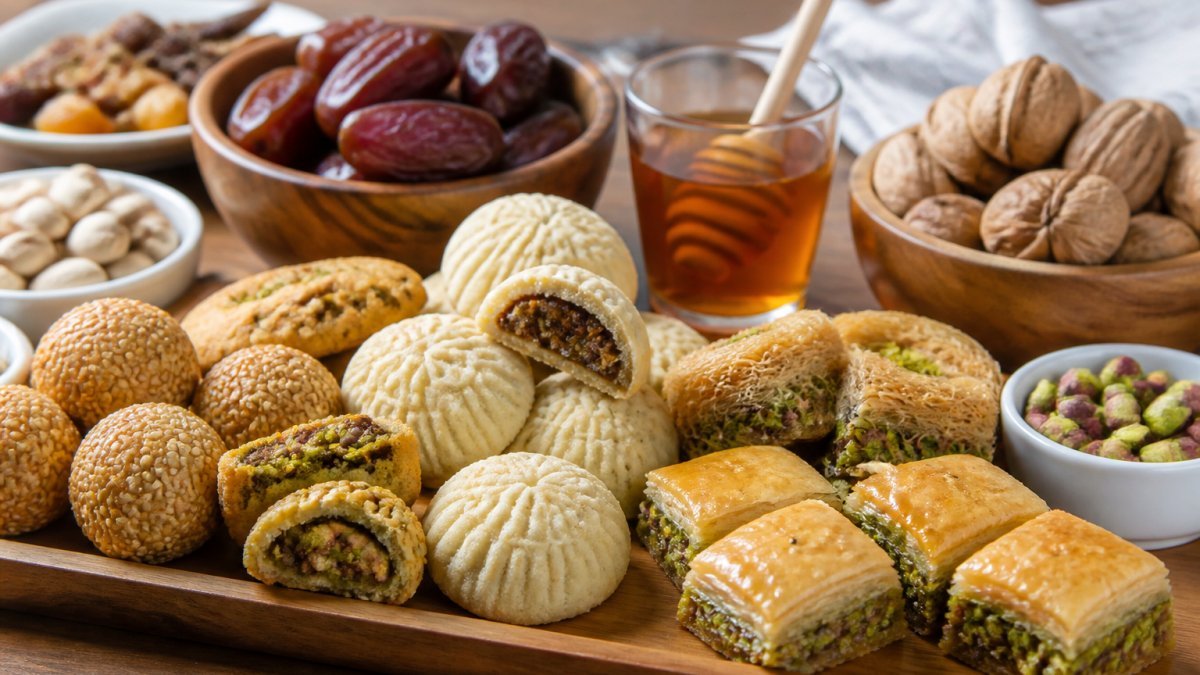
Table of Contents
- What You Should Know Before You Buy Middle Eastern Sweets
- Baklava Assortment: Layers of Tradition
- Maamoul Cookies: The Heart of Celebration
- Middle Eastern Dessert Gift Box: Premium Presentation
- Middle Eastern Sweets Delivery: Freshness Guaranteed
- Beyond Baklava: Other Essential Middle Eastern Sweets
- Dietary Needs and Allergen Information
- Why Authenticity and Direct Sourcing Matter
- Frequently Asked Questions
Last Updated: October 18, 2026
What You Should Know Before You Buy Middle Eastern Sweets
When you buy Middle Eastern sweets, you’re bringing home a piece of culinary heritage. These aren’t mass-produced confections but handcrafted traditions passed through generations, each bite carrying flavors and techniques that define entire regions.
The key difference between authentic Middle Eastern sweets and mass-market alternatives is sourcing and preparation. Authentic varieties use whole nuts, real honey, and traditional spices without shelf-life additives.
Before you commit to any purchase, understand three critical factors: authenticity, freshness in transit, and your own dietary needs. These decisions shape whether you’ll get the genuine experience you’re seeking or something that falls short of expectations.
Authenticity and Direct Sourcing
Authenticity matters when ordering Middle Eastern sweets online. The difference between traditional methods and corner-cutting shows up immediately in taste and texture.
Direct sourcing from manufacturers, not distributors or resellers, guarantees you’re getting the product as intended. Altareb Global’s direct partnerships with farmers and manufacturers mean the maamoul cookies and dates arrive the way they were meant to taste, not modified for longer shelf life or cheaper production.
Look for transparency about where products come from. A legitimate source will tell you which region produced the sweets, what ingredients go into them, and how they’re made.
Freshness, Shipping, and Storage
Freshness determines whether your purchase tastes authentic or stale. Middle Eastern sweets with nuts and honey are best consumed within weeks of production, so when you buy Middle Eastern sweets online, shipping speed matters.
Most quality providers offer expedited shipping to minimize time in transit. Standard ground shipping can take 5-7 business days, compromising delicate pastries or honey-based treats. Next-day or 2-day delivery costs more but ensures peak freshness.
Once they arrive, keep most Middle Eastern sweets in an airtight container at room temperature, away from direct sunlight and heat. Honey-based and date-filled sweets stay fresh for 2-3 weeks this way.
Baklava Assortment: Layers of Tradition
Baklava represents one of the most recognizable Middle Eastern sweets globally, yet most people have never tasted an authentic version. The difference between restaurant baklava and handcrafted baklava is profound.
What Makes Baklava Stand Out
Baklava is phyllo dough layered with nuts, butter, and spices, then baked and soaked in honey syrup. Each layer of phyllo must be paper-thin and brushed with clarified butter.
The best baklava uses whole or large nut pieces, not ground dust, so you see and taste distinct nuts. The honey should taste like honey, not excessive sweetness masking inferior ingredients.
When you buy Middle Eastern sweets like baklava, expect to pay more for quality. Handcrafted versions require skilled labor and premium ingredients, while mass-produced baklava uses shortcuts: thicker pre-made phyllo, cheaper nut fillings, and syrup that’s mostly sugar.
Choosing Your Baklava
Baklava assortments typically include pistachio, walnut, and sometimes cashew varieties. Pistachio baklava has a slightly sweet, earthy taste. Walnut baklava is richer and stronger. Cashew versions are milder and appeal to those who find other nuts too intense.
Consider who you’re buying for. If you’re unfamiliar with the varieties, start with a mixed assortment. Assorted baklava boxes often include 12-20 pieces, enough to sample different flavors.
The best baklava assortments use consistent sizing and quality across all varieties. Each piece should be uniform in thickness and appearance; darker or thinner pieces suggest inconsistent preparation.
Maamoul Cookies: The Heart of Celebration
Maamoul cookies are the centerpiece of Middle Eastern celebrations, particularly during religious holidays. These butter-based cookies filled with dates, nuts, or mastic represent family, tradition, and hospitality.
Varieties and Fillings
Maamoul comes in three primary varieties: date-filled, pistachio-filled, and walnut-filled. Date-filled maamoul is the most traditional and popular, with natural sweetness and a slightly chewy texture that contrasts with the crisp cookie shell.
Pistachio-filled maamoul offers a more delicate flavor, with finely ground nuts mixed with sugar and sometimes rose water or orange blossom water.
Walnut-filled maamoul has a richer, earthier taste, since walnuts are heartier than pistachios. Some versions include cinnamon or clove to complement the flavor.
When you buy Middle Eastern sweets like maamoul, look for evenly shaped, consistent cookies. Each should have visible indentations on top, the traditional maamoul press mark indicating handcrafted preparation.
Why Maamoul Makes the Perfect Gift
Maamoul cookies are ideal gifts because they’re shelf-stable, beautifully presented, and culturally significant. A box of quality maamoul says you’ve chosen something meaningful, not a generic dessert.
Maamoul assortments often come in elegant gift boxes with multiple varieties, suitable for corporate gifting, holiday exchanges, or personal celebrations. Stored properly, the cookies stay fresh for several weeks.
For people with Middle Eastern heritage, maamoul represents connection to home and family traditions. For others, it’s an introduction to authentic flavors. Either way, maamoul cookies make a memorable impression.
Middle Eastern Dessert Gift Box: Premium Presentation
A quality Middle Eastern dessert gift box combines multiple sweets into a curated collection that tells a story of regional flavors and traditions.
What’s Inside Quality Gift Collections
Premium gift boxes typically include 4-8 types of sweets: baklava, maamoul, date-based treats, and perhaps a specialty like sesame balls or honey-drizzled pastries. The variety lets recipients explore different flavors and textures.
Quality matters in every element. The box should be sturdy and attractive, sweets separated with tissue or dividers to prevent sticking, and each piece clearly labeled so the recipient knows what they’re tasting.
The best gift boxes from trusted sources include handpicked selections representing authentic flavors, with each item tasted and approved rather than simply assembled.
Occasions and Recipient Preferences
Middle Eastern dessert gift boxes work for nearly any occasion: holiday gifts, housewarmings, corporate gifting, or thank-you gestures. The cultural authenticity makes them feel more personal than standard desserts.
Consider the recipient’s preferences when choosing a box. Someone unfamiliar with Middle Eastern sweets might prefer a sampler with smaller portions of many varieties. Someone with a specific preference, perhaps they love dates, might appreciate a box focused on date-based sweets.
Dietary restrictions matter too. If the recipient avoids certain nuts or prefers organic products, look for boxes that accommodate those needs. Many quality providers offer customized options or boxes clearly labeled with ingredients and allergen information.
Middle Eastern Sweets Delivery: Freshness Guaranteed
The logistics of getting Middle Eastern sweets to your door intact and fresh require careful planning and reliable shipping partners.
Shipping Methods and Transit Time
Standard ground shipping typically takes 5-7 business days. For most sweets, this is acceptable, though longer transit times increase the risk of damage or staleness. Express 2-day shipping costs more but significantly reduces these risks.
Next-day shipping is available from most quality providers and is worth considering for time-sensitive orders or if you’re buying for an imminent celebration. The extra cost, usually $15-30 depending on order size, is minimal compared to receiving subpar products.
When you buy Middle Eastern sweets online, check whether the provider uses insulated packaging and cold packs during warmer months. Temperature fluctuations can soften chocolate-drizzled items or cause honey-based sweets to become overly sticky.
Storage and Shelf Life After Arrival
Most Middle Eastern sweets arrive fresh and remain so for 2-4 weeks when stored properly. Keep them in airtight containers at room temperature, away from direct sunlight and humidity. Avoid refrigerators, which can cause condensation and dry out delicate pastries.
If you’ve ordered more than you can consume within a few weeks, freezing is an option for many varieties. Baklava and maamoul freeze well for up to 3 months. Let them thaw at room temperature before serving.
Beyond Baklava: Other Essential Middle Eastern Sweets
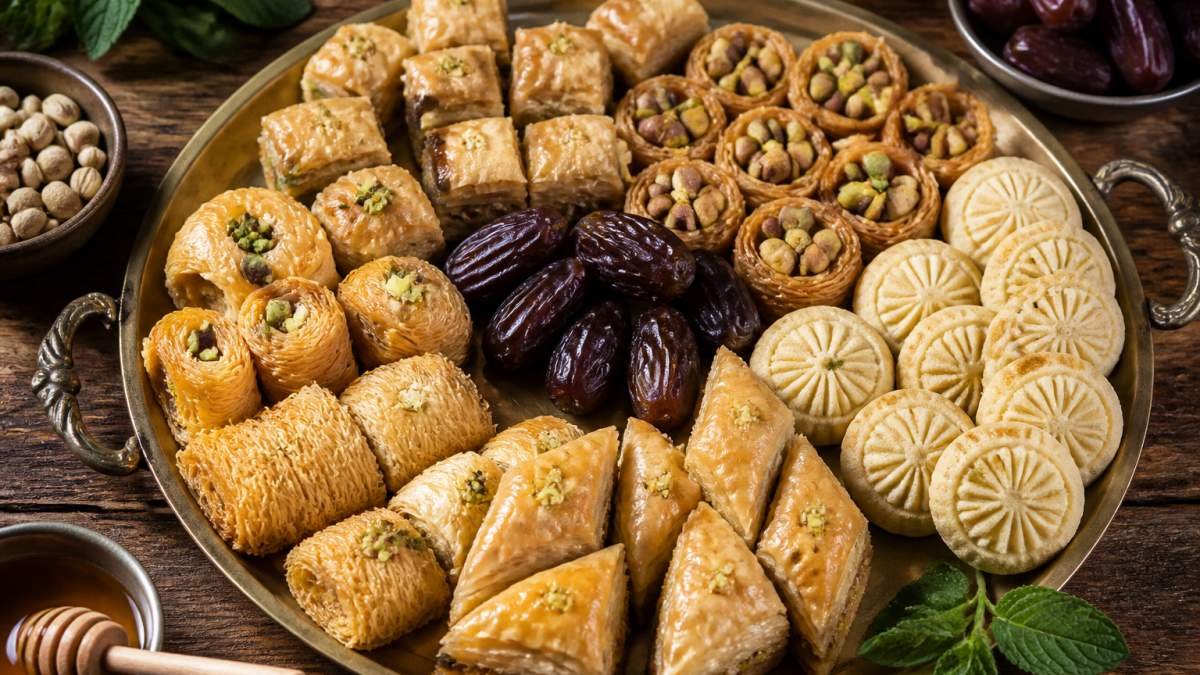
Beyond the most famous varieties, Middle Eastern confectionery includes dozens of regional specialties worth exploring. These sweets showcase the diversity of flavors and techniques across the region.
Date-Based Sweets and Honey Specialties
Dates are the foundation of countless Middle Eastern sweets. They’re naturally sweet, nutrient-dense, and pair beautifully with nuts and honey. Date paste serves as filling for cookies and pastries.
Honey specialties range from simple honey-drizzled pastries to complex confections like Aish Al-Saraya, a shredded phyllo dessert soaked in honey and topped with nuts and clotted cream. Honey-based sweets tend to be richer and more intense than nut-based varieties.
When you buy Middle Eastern sweets featuring dates or honey, expect deeper, more complex flavors than you might find in standard American desserts. These ingredients create a different sweetness profile, less sharp than refined sugar, more rounded and natural.
Fried Pastries, Layered Treats, and Regional Variations
Fried pastries like Atayef (stuffed pancakes) and Burma (fried rolls) represent a different category of Middle Eastern sweets. These are typically prepared fresh and best consumed within hours of frying, though quality versions stay good for a few days.
Layered treats like Kahi (butter and phyllo layers) showcase the precision required in traditional preparation. Each layer must be perfectly thin and evenly buttered. The result is a pastry that’s simultaneously crispy and tender.
Regional variations mean that the same sweet might be called different names or prepared slightly differently depending on where it comes from. Maamoul made in one country might use different spices or fillings than maamoul from another.
Dietary Needs and Allergen Information
Middle Eastern sweets typically contain nuts, honey, and sometimes sesame or other seeds. For people with allergies or dietary restrictions, this requires careful attention.
Most quality providers clearly label their products with allergen information. Look for statements about tree nuts, sesame, and whether items are processed in facilities with other allergens.
Organic and additive-free options are increasingly available. These products use certified organic dates, nuts, and honey without artificial preservatives or colors.
Halal certification matters to many customers. According to Islamic Food and Nutrition Council guidelines, halal-certified sweets meet specific standards for ingredients and preparation.
Vegan versions of some Middle Eastern sweets exist, using plant-based butter and honey alternatives.
Why Authenticity and Direct Sourcing Matter
When you buy Middle Eastern sweets, you’re making a choice about what authenticity means to you.
Altareb Global’s approach, partnering directly with farmers and manufacturers, represents a commitment to this authenticity. It means the company has vetted suppliers, understands their processes, and stands behind the quality of what they deliver.
The experience of tasting authentic Middle Eastern sweets is fundamentally different from tasting mass-produced versions.
When you invest in quality Middle Eastern sweets, you’re not just buying dessert. You’re accessing a connection to tradition, craftsmanship, and regional heritage. That connection is worth the care required to order and store these products properly.
Finding authentic Middle Eastern sweets requires knowing what to look for and trusting sources that prioritize quality over convenience. Handcrafted maamoul, premium baklava assortments, and curated dessert gift boxes arrive fresh and ready to share. USDA organic certification standards verify the quality of certified organic dates and honey we source.
Frequently Asked Questions
What makes buying Middle Eastern sweets online different from shopping in a local store?
Online ordering gives you access to a wider variety and specialty items that may not be available locally, plus the convenience of delivery. Direct-sourced options ensure authenticity and freshness when purchased from trusted suppliers who partner directly with manufacturers. However, you trade immediate gratification for the advantage of curated selections and often better pricing on bulk orders or gift collections.
How do I know if maamoul cookies and baklava are actually fresh when they arrive?
Fresh Middle Eastern sweets should have a pleasant aroma and intact packaging upon arrival. Maamoul cookies should feel slightly firm but not hard, while baklava layers should not be soggy or separated. Check the production date on the package, store in an airtight container, and consume within the recommended timeframe for best flavor and texture.
Are most Middle Eastern sweets halal, and how can I verify this?
Many traditional Middle Eastern sweets are halal-compliant, especially those made with dates, honey, nuts, and phyllo dough. However, not all are certified. Look for halal certification labels from recognized certifying bodies on the packaging. If halal status is important to you, contact the seller directly to confirm their sourcing and production methods.
What’s the best way to store Middle Eastern sweets after delivery to keep them fresh longer?
Store most Middle Eastern sweets in an airtight container at room temperature, away from direct sunlight and heat. Baklava and honey-based pastries should be kept in cool, dry conditions to prevent stickiness. Date-based sweets and maamoul cookies last longer than fried pastries. Refrigeration can extend shelf life but may affect texture; freezing works well for long-term storage of items like maamoul and baklava. Always check the seller’s storage instructions for specific guidance.