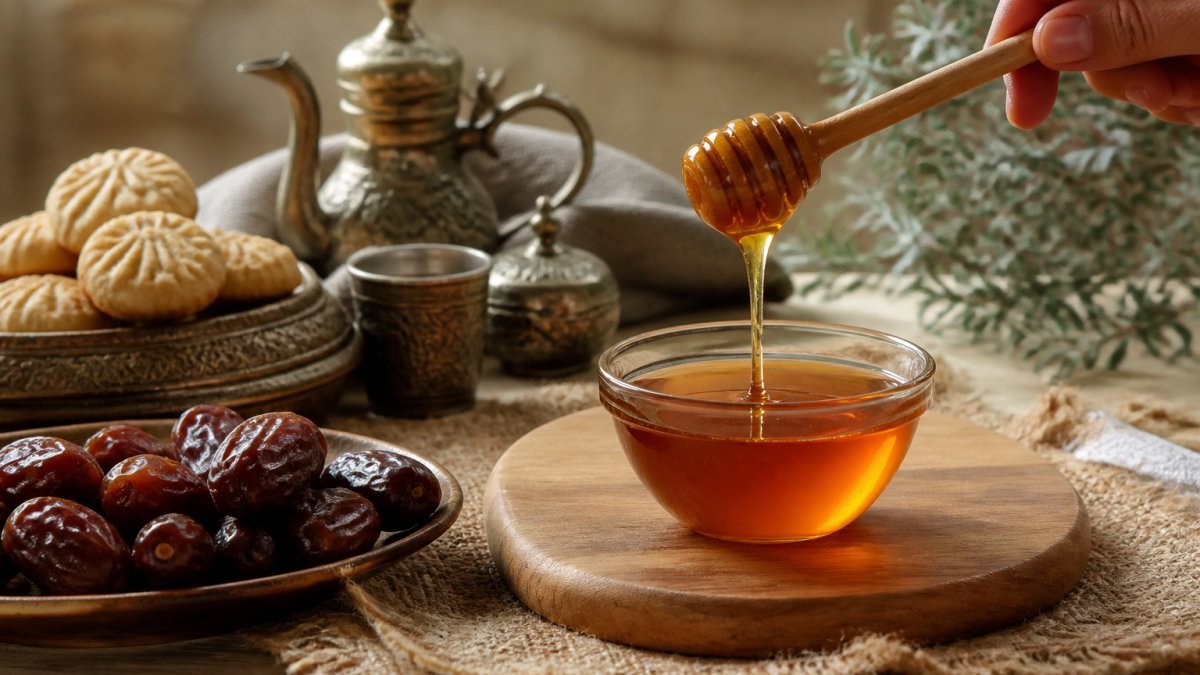
Table of Contents
- What Makes Middle Eastern Honey Distinctive
- Sidr Honey: The Gold Standard of Regional Varieties
- Yemeni Honey: Rare Floral Sources and Harvest Traditions
- How to Assess Pure Honey Quality and Authenticity
- Honey for Baklava and Traditional Desserts
- Pairing Honey with Nuts, Spices, and Tea
- Buying and Storing Middle Eastern Honey
- Frequently Asked Questions
Last Updated: October 11, 2026
What Makes Middle Eastern Honey Distinctive
Middle Eastern honey stands apart because of its unique floral sources, traditional harvesting methods, and ancient beekeeping heritage. Bees feed on distinctive plants that don’t grow elsewhere, creating flavor profiles impossible to replicate.
Nectar sources include acacia, wildflowers, and herbs that thrive in desert conditions. Harvest timing and generational beekeeping practices affect the final composition. At Altareb Global, we’ve worked directly with suppliers across the region to understand what makes their honey distinctive.
Raw honey often contains visible honeycomb particles and maintains a thicker texture than industrially processed varieties, a sign of minimal processing. Color ranges from golden to amber depending on floral sources and harvest season.
Sidr Honey: The Gold Standard of Regional Varieties
Sidr honey represents the premium tier of Middle Eastern honey production, prized for its rarity and complex flavor profile. This honey comes from the sidr tree, which blooms briefly and produces limited quantities, making genuine sidr honey scarce and expensive. The flavor is distinctly warm and floral with subtle spice notes that develop as the honey crystallizes over time.
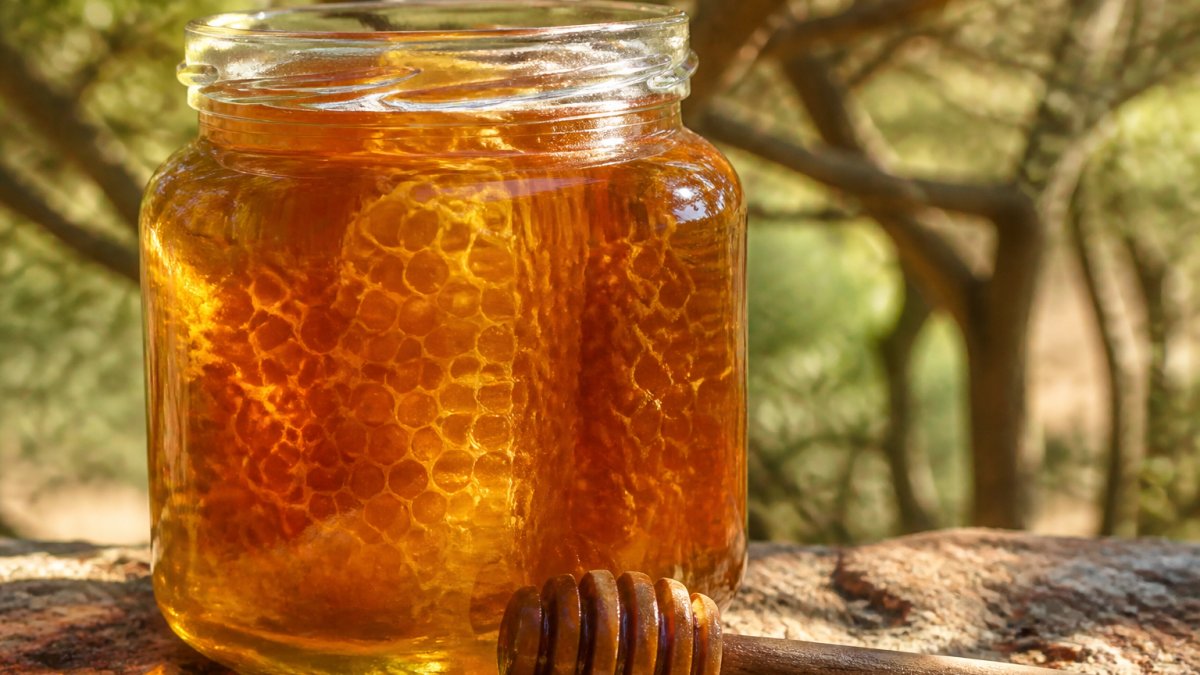
The sidr tree grows wild across the Arabian Peninsula and blooms only during specific months. Beekeepers position apiaries near these trees and harvest during this narrow window, producing honey with concentrated floral notes. The texture is creamy and dense, crystallizing slowly over months.
Pure sidr honey carries a higher price because of its scarcity and labor-intensive harvest. It works beautifully as a finishing drizzle, in tea, or eaten directly. When purchasing, authentication matters, inferior products sometimes use blended honey or additives to mimic the flavor.
Yemeni Honey: Rare Floral Sources and Harvest Traditions
Yemeni honey comes from one of the world’s most challenging beekeeping environments, where ancient traditions meet harsh desert and mountain conditions. Apiaries positioned near wildflowers and acacia trees produce honey shaped by Yemen’s unique climate and traditional harvest methods.
Floral Sources and Growing Conditions
Mountain wildflowers at elevations between 3,000 and 8,000 feet create complex aromatics, while native acacia species contribute warm, slightly spiced notes. Unlike sidr honey from a single tree species, Yemeni honey draws from diverse plants blooming throughout the season. Seasonal rainfall significantly affects the final product, wet seasons produce lighter honey; drought years yield darker, more concentrated honey.
Flavor, Aroma, and Texture Characteristics
Yemeni honey carries complex aromatics with earthy, herbaceous undertones, less refined than sidr but more nuanced than generic wildflower honey. The aroma is pronounced, reminiscent of mountain herbs. The texture is firm and dense, crystallizing within two to four weeks, a positive indicator of purity and minimal processing.
Color and Purity Indicators
Yemeni honey ranges from golden to deep amber; spring harvests are lighter, late-season darker. Raw honey often contains visible particles and honeycomb fragments, signs of traditional production and minimal processing, not contaminants.
Comparison to Other Regional Varieties
Yemeni honey is more accessible in price than sidr while maintaining authenticity. Sidr crystallizes slowly; Yemeni crystallizes quickly. Sidr suits special occasions; Yemeni works in everyday cooking, tea, and desserts. Yemeni’s stronger, herbaceous flavor is more versatile where honey’s character should be noticeable.
Harvest Traditions and Supply Variability
Harvest timing follows natural blooming cycles, so production varies year to year based on rainfall. Traditional beekeepers move apiaries seasonally to follow blooms, producing honey with stronger terroir. Buyers should expect variation between harvest years; consistency across years indicates blending, not quality.
Culinary Applications and Pairing
Yemeni honey’s herbaceous notes complement tea and herbal infusions. It works well drizzled over yogurt or cheese, in baking and desserts, and pairs well with nuts and warm spices. Its quick crystallization makes it easier to portion than slower-crystallizing varieties.
How to Assess Pure Honey Quality and Authenticity
Determining whether honey is genuinely pure requires understanding quality markers and common adulteration tactics beyond appearance alone.
Label and Origin Verification
Authentic Middle Eastern honey should clearly state country of origin, harvest year, and specific floral source. Labels should name the producer or cooperative. Vague claims without origin details are a warning sign. Look for certifications from regional agricultural bodies or fair-trade organizations. Reputable suppliers provide batch numbers and contact information.
Texture and Crystallization Patterns
Crystallization is natural and varies by floral source and storage temperature. Honey remaining perfectly liquid after a year may have been heated excessively or diluted. Test: refrigerate for 24 hours, pure honey will crystallize; adulterated honey may not. Crystallized honey can be gently warmed in a water bath to return to liquid form.
Taste and Aroma Assessment
Authentic regional honey carries layered, complex flavors. Sidr should have warm, floral notes with subtle spice; Yemeni should taste of mountain wildflowers with earthiness. Mass-produced honey tastes flat and overly sweet. Let a spoonful sit on your tongue to register flavors fully. The aroma should be distinctive and pleasant, not chemical.
Common Adulteration Methods and How to Spot Them
The most common adulterations involve blending with cheaper honey, adding corn syrup or high-fructose corn syrup, or diluting with water. Honey adulterated with corn syrup will taste noticeably less complex and may have a slightly artificial sweetness. A simple water test can reveal dilution: mix a tablespoon of honey with water in a clear glass.
Sourcing and Supplier Relationships
The strongest guarantee of authenticity is a direct relationship between buyer and supplier. Suppliers who can name their partner farmers, describe specific apiaries, and provide harvest-year documentation are demonstrating transparency. Ask whether the supplier visits the apiaries or maintains ongoing contact with producers.
Price as a Quality Indicator
Price alone doesn’t guarantee quality, but it provides context. Sidr honey typically costs significantly more per ounce than regional blends because of its rarity and labor-intensive harvest. If sidr honey is priced the same as generic wildflower honey, authenticity is questionable. Conversely, extremely high prices may reflect markup rather than actual scarcity.
Honey for Baklava and Traditional Desserts
Honey serves as the essential sweetener and binding agent in baklava and countless other traditional Middle Eastern desserts. The honey’s role goes beyond simple sweetness, it creates the syrup that soaks through crisp layers of phyllo dough, binding them together while adding moisture and flavor. The choice of honey directly affects the final dessert’s taste and texture, making quality selection important for authentic results.
For baklava preparation, the honey should be heated gently and sometimes combined with water to create the right syrup consistency. The warm honey is poured over the freshly baked pastry, allowing it to absorb through all the layers. The type of honey influences the final flavor profile, floral varieties add complexity, while stronger-tasting honey creates more pronounced sweetness. Many traditional recipes specify particular regional honeys because their flavor profiles complement the nuts and spices in the filling.
Beyond baklava, honey appears in ma’amoul, date-filled pastries, and numerous confections throughout Middle Eastern cuisine. The honey acts as both sweetener and preservative, extending the shelf life of baked goods. Traditional desserts often use honey in combination with nuts like walnuts and pistachios, creating layers of flavor and texture. The honey’s ability to absorb moisture from the air affects how these desserts age, properly made versions improve in flavor as they sit, with the honey distributing throughout the pastry over time.
Pairing Honey with Nuts, Spices, and Tea
The combination of honey with nuts and warm spices represents a cornerstone of Middle Eastern flavor pairing. Honey’s natural sweetness balances the earthiness of walnuts and pistachios, while warm spices like cardamom and cinnamon add complexity to the sweetness. These pairings appear throughout traditional cuisine, from breakfast spreads to dessert accompaniments to tea-time treats.
Honey pairs exceptionally well with tahini, creating a simple but sophisticated spread. The nutty flavor of tahini complements honey’s floral notes, and together they provide both sweetness and richness. This combination appears in many traditional preparations and works beautifully on bread or as a dip for fresh fruit. The ratio of honey to tahini can be adjusted based on preference, with some preparations using equal parts and others favoring one ingredient over the other.
Warm tea becomes more complex when paired with honey and spices. A cup of black tea or herbal infusion gains depth when stirred with honey and garnished with a sprinkle of cardamom or cinnamon. The honey dissolves slowly in hot liquid, creating sweetness that develops as you drink. Many families serve honey with breakfast tea, using it to sweeten the beverage while the spices add warmth and aroma. This simple pairing has remained consistent across generations and cultures throughout the region.
Buying and Storing Middle Eastern Honey
Purchasing authentic Middle Eastern honey requires understanding where to source it and what to look for in terms of quality indicators. Direct sourcing from suppliers with established connections to regional producers ensures authenticity that mass-market retailers often cannot provide. Altareb Global maintains partnerships with trusted farmers and manufacturers, ensuring that every jar maintains its integrity and reflects traditional production methods.
Storage conditions significantly affect honey’s longevity and quality. Honey should be kept in a cool, dark place away from direct sunlight, which can degrade flavor compounds over time. Glass jars provide better protection than plastic, and airtight sealing prevents moisture absorption. Properly stored honey remains stable for years, and crystallization doesn’t indicate spoilage, it’s a natural process that can be reversed by gently warming the honey. Some people prefer crystallized honey for its spreadable texture, while others prefer to keep it liquid by storing it in warmer conditions.
When buying in bulk or for business use, consistency of supply matters. Specialty retailers and wholesale suppliers like Altareb Global can provide reliable access to quality products without the uncertainty of constantly sold-out inventory. Bulk purchasing often provides better value, and direct relationships with suppliers ensure you receive the same quality across multiple orders. Understanding your actual usage helps determine whether smaller artisanal jars or larger containers make more sense for your needs.
| Honey Variety | Floral Source | Flavor Profile | Best Uses | Storage Notes |
|---|---|---|---|---|
| Sidr | Sidr tree | Warm, floral, subtle spice | Finishing drizzle, special occasions | Crystallizes slowly, keeps years |
| Yemeni | Mountain wildflowers, acacia | Complex, warm aromatics | Tea, desserts, direct consumption | Crystallizes quickly, pure indicator |
| Regional blends | Mixed wildflowers | Balanced sweetness | Baklava, cooking, everyday use | Varies by blend composition |
Middle Eastern honey offers complexity and authenticity that standard sweeteners cannot match. The regional varieties each carry distinct flavor profiles shaped by their floral sources and traditional production methods. When you choose genuine Middle Eastern honey from sources like Altareb Global, you’re accessing products with documented origins and direct farmer partnerships. Explore the varieties, taste the differences, and discover which honey best suits your culinary traditions and preferences.
Frequently Asked Questions
What is so special about Sidr honey?
Sidr honey comes from bees that pollinate the Sidr tree, found across the Arabian Peninsula. This floral source produces honey with a distinctive dark amber color and rich caramel notes. The rarity of Sidr trees and limited flowering seasons make authentic Sidr honey scarce and highly valued. Its thick texture, complex flavor, and traditional use contribute to its premium status and higher cost compared to other regional honeys.
How can you tell if Middle Eastern honey is pure?
Pure honey should crystallize over time, which is a natural process that indicates authenticity. Check the label for certifications and direct sourcing claims from reputable suppliers. Real honey has a consistent, thick texture and should not separate into layers. Taste and aroma matter too: authentic Middle Eastern honey often carries floral notes matching its origin, whether Sidr, acacia, or wildflower. Buy from suppliers who provide harvest information and can verify their direct partnerships with beekeepers and farmers.
What is the difference between Yemeni honey and other Middle Eastern varieties?
Yemeni honey is prized for its rare floral sources, particularly from remote mountainous regions where specific wildflowers bloom. The challenging terrain and limited harvest windows make Yemeni honey scarcer than honey from more accessible regions. It typically has a darker color and more intense flavor. Yemeni honey commands premium pricing due to its rarity, the difficulty of harvest conditions, and its reputation for purity in traditional practices.
Can I use any Middle Eastern honey for baklava, or does it matter which variety I choose?
While any pure honey works in baklava, the choice affects flavor and texture. Lighter honeys like acacia create a delicate sweetness that lets the nuts and spices shine. Darker varieties like Sidr or wildflower honey add deeper, more complex caramel and floral notes that complement warm spices like cardamom and cinnamon. For traditional baklava, use honey that pairs well with walnuts or pistachios and has enough body to coat the crisp phyllo layers evenly. Pure, unblended honey ensures the best results.