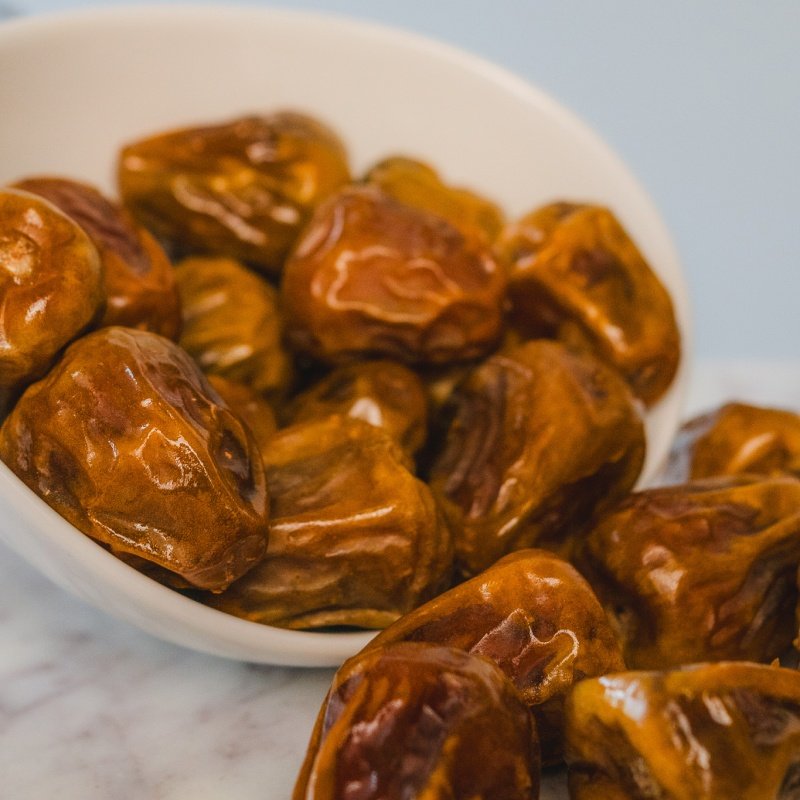
Sukkari dates are among the most popular and naturally sweet date varieties from the Middle East. Known for their golden color, soft texture, and rich flavor, they are widely enjoyed as a snack, during Ramadan, and as a natural sugar alternative. Many customers browsing premium date suppliers such as Altareb Global often ask one key question: how many calories in Sukkari dates, and are they healthy for daily consumption?
This detailed guide explains calorie content, nutritional value, health benefits, portion sizes, and how Sukkari dates fit into different diets.
Calories in Sukkari Dates (Clear Breakdown)

The calorie content of Sukkari dates depends on size and ripeness. Because they are soft and naturally high in sugar, their calories are slightly higher than some dry date varieties.
Average calorie values:
- 1 Sukkari date (24–25 g): 55–65 calories
- 2 Sukkari dates: 110–130 calories
- 3 Sukkari dates: 165–195 calories
- 100 grams of Sukkari dates: 230–250 calories
All calories come from naturally occurring fruit sugars, with no added sugar or artificial processing.
You can find premium-quality Sukkari dates and other Middle Eastern products in the Altareb Global Shop.
Why Sukkari Dates Are Higher in Calories
Sukkari dates are harvested at peak ripeness, which gives them their signature softness and sweetness. This also means:
- Higher natural glucose and fructose levels
- Less moisture loss compared to dry dates
- Faster energy release after consumption
These qualities make Sukkari dates ideal for quick energy, especially during fasting or physically demanding days.
Nutritional Value of Sukkari Dates
Despite being calorie-dense, Sukkari dates provide valuable nutrients that support overall health.
Approximate nutrition per 1 Sukkari date:
- Carbohydrates: 14–16 g
- Natural sugars: 13–15 g
- Fiber: ~1.5 g
- Protein: ~0.5 g
- Fat: 0 g
- Cholesterol: 0 mg
Key micronutrients include:
- Potassium for heart and muscle health
- Magnesium for energy and nerve function
- Iron to support healthy blood circulation
- Vitamin B6 for metabolism and brain health
This nutrient profile makes Sukkari dates a better option than refined sweets with similar calorie counts.
Sukkari Dates vs Other Date Varieties (Calories Compared)
Date Variety | Calories per Date (Approx.) |
Sukkari | 55–65 |
Medjool | 65–70 |
Ajwa | 45–55 |
Deglet Noor | 20–25 |
Sukkari dates are sweeter than Ajwa dates and usually smaller than Medjool dates, placing them in the mid-to-high calorie range.
Are Sukkari Dates Healthy?
Yes, Sukkari dates can be part of a healthy diet when eaten in moderation.
Health benefits include:
- Natural energy without refined sugar
- Digestive support from fiber
- Satisfaction of sweet cravings naturally
- Zero fat and cholesterol
- Essential minerals for daily body function
Altareb Global focuses on quality sourcing and freshness, ensuring that the dates you consume retain their natural nutritional value. Learn more about the company’s commitment to quality on the About Us page:
Are Sukkari Dates Fattening?
Sukkari dates are not fattening by themselves. Weight gain occurs when total daily calorie intake exceeds your body’s needs. Because Sukkari dates are calorie-dense, eating too many at once can add up quickly.
Mindful portions and balanced meals are the key to enjoying organic dates without unwanted weight gain, a principle also supported by general healthy eating guidelines from Healthline’s nutrition experts.
How Many Sukkari Dates Can You Eat Per Day?
Recommended intake depends on lifestyle and goals:
- General health: 2–3 dates per day
- Active individuals: 3–5 dates
- Weight management: 1–2 dates
- Ramadan fasting: 2–3 dates at Iftar
Pairing dates with nuts or protein can help slow sugar absorption and keep you fuller longer.
Sukkari Dates and Weight Loss
Although not low-calorie, Sukkari dates can support healthier eating habits when used correctly.
Smart ways to include them:
- Replace desserts with one date
- Eat earlier in the day for energy
- Combine with yogurt or nuts
- Avoid late-night overconsumption
Organic dates help reduce reliance on processed sweets, which often leads to better overall diet quality.
Are Sukkari Dates Suitable for Diabetics?
People managing blood sugar should consume Sukkari dates carefully.
Best practices include:
- Limit to one date at a time
- Pair with protein or healthy fats
- Monitor blood sugar response
- Consult a healthcare professional
While dates are natural, portion control remains essential.
Best Time to Eat Sukkari Dates
- Morning for natural energy
- Before physical activity
- During Iftar in Ramadan
- As a healthier sweet snack replacement
Avoid large portions late at night if calorie intake is a concern.
Buying Sukkari Dates in Bulk or Wholesale
Businesses, retailers, and distributors often look for reliable suppliers of premium Middle Eastern dates. Altareb Global offers wholesale options for partners seeking consistent quality and supply.
If you are interested in bulk purchasing or becoming a distributor, visit the Wholesale Partner Program page.
Frequently Asked Questions
How many calories are in one Sukkari date?
Approximately 55–65 calories, depending on size.
Do Sukkari dates contain added sugar?
No, all sweetness comes from natural fruit sugars.
Are Sukkari dates healthier than processed sweets?
Yes, they provide fiber and essential minerals instead of empty calories.
Where can I buy premium Sukkari dates?
You can explore available products directly in the Altareb Global online store.
For inquiries about products, sourcing, or partnerships, you can reach out via the Contact Us page:
Final Thoughts
Sukkari dates are naturally sweet, energy-rich, and nutritionally beneficial. While they are higher in calories than some other date varieties, those calories come with fiber, minerals, and real health value. By understanding how many calories in Sukkari dates, you can enjoy them responsibly as part of a balanced lifestyle.